Losing weight is not just about eating less or exercising more. Healthy weight management involves food choices, physical activity, sleep, daily habits and other factors that affect your body. Many supplements also claim to support weight loss. Some contain ingredients that researchers have studied, but the results are often modest or uncertain.
This guide explains what helps with healthy weight management, which supplement ingredients have been researched, and what to consider before buying a weight-loss product.
Key Takeaways
-
Healthy weight management starts with sustainable eating and activity habits.
-
A balanced diet and regular movement support long-term results.
-
Some supplement ingredients have been studied, but most have limited evidence for meaningful weight loss.
-
Natural ingredients can still cause side effects and medication interactions.
-
Be careful with products promising fast or guaranteed results.
1. Understanding Weight Management
Your body uses energy throughout the day to support breathing, digestion, movement and other normal functions. Weight changes over time depend partly on the relationship between the energy you consume through food and drinks and the energy your body uses. However, weight management is also affected by sleep, hormones, age, medications, genetics, stress and health conditions.
There is no single approach that works for everyone. A realistic plan should fit your daily routine and support your overall health.
For a detailed explanation, see the NIDDK guide to adult overweight and obesity.
2. Healthy Eating Habits That Support Weight Management
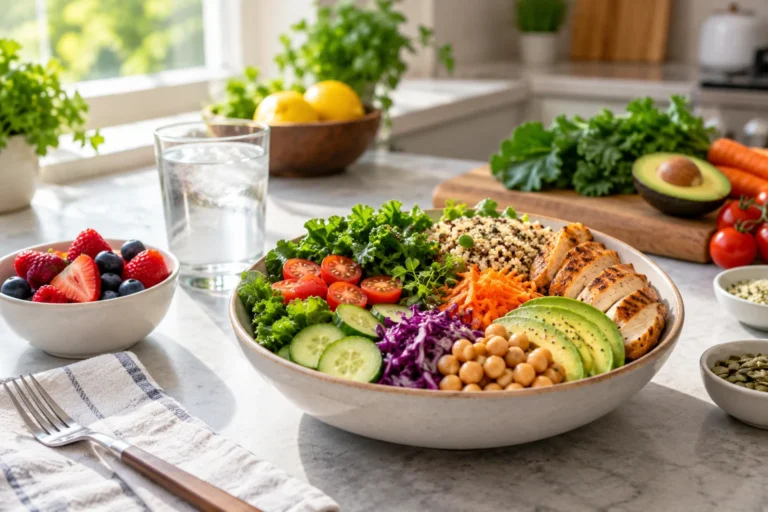
A balanced eating pattern can help you manage your food intake without following extreme diets. A balanced meal with vegetables, lean protein, quinoa, chickpeas, and fresh fruit. Suggested image alt text: Balanced healthy meal with vegetables, lean protein, grains and fresh fruit.
Some helpful habits include:
-
Eat more vegetables: Include different vegetables in your meals to increase fiber and nutrient intake.
-
Choose whole fruits: Whole fruits provide fiber and can be a useful alternative to sugary snacks.
-
Include protein: Eggs, fish, chicken, beans, lentils and yogurt can help make meals satisfying.
-
Choose whole grains: Oats, brown rice and whole-wheat foods provide useful nutrients and fiber.
-
Watch portion sizes: Pay attention to how much you eat rather than relying on strict food restrictions.
-
Limit sugary drinks: Replace frequent sugary drinks with water or other low-sugar options.
You do not need to remove every food you enjoy. Focus on habits that you can maintain over time.
Further reading: NIDDK – Eating and Physical Activity to Lose or Maintain Weight.
3. Physical Activity and Weight Management
Physical activity helps your body use energy and supports heart health, muscle strength and general fitness.Woman walking on a green park pathway in natural daylight. Suggested image alt text: Woman walking outdoors in a green park as part of a healthy lifestyle.
You do not need to start with intense workouts. Try activities that fit your fitness level:
-
Walking regularly.
-
Cycling or swimming.
-
Dancing or other enjoyable activities.
-
Strength exercises to support muscle health.
-
Taking short movement breaks during long periods of sitting.
For general health, CDC guidance recommends at least 150 minutes of moderate-intensity aerobic activity each week for most adults, along with muscle-strengthening activities on at least two days.
Start at a comfortable level and increase activity gradually. If you have a health condition or have been inactive for a long time, ask a healthcare professional about suitable activities.
Read more: CDC – Physical Activity and Your Weight and Health.
4. Ingredients Commonly Researched for Weight Loss
Several supplement ingredients have been studied for their possible effects on appetite, metabolism, digestion and body weight. However, research does not show that every ingredient produces meaningful weight loss. Some have limited evidence, and others have safety concerns.
You can explore these ingredients in more detail in our Supplement Ingredients Guide.
Green Tea Extract
Green tea extract contains plant compounds called catechins, including EGCG. Some research suggests a small effect on body weight, but the results are not strong enough to consider it a reliable weight-loss solution.
Safety: Concentrated green tea extracts have been linked to liver injury in some people.
Read more: Green Tea Extract in the Ingredients Guide.
Caffeine
Caffeine is a natural stimulant found in coffee, tea and several plants. Researchers have studied its effects on alertness and energy expenditure. It may temporarily increase energy expenditure, but this does not mean that caffeine supplements produce lasting weight loss.
Safety: Too much caffeine can cause insomnia, nervousness, anxiety and a fast heartbeat.
Read more: Caffeine in the Ingredients Guide.
Garcinia Cambogia
Garcinia cambogia is a tropical fruit extract that contains hydroxycitric acid (HCA). It is commonly included in appetite and weight-management products. Human research has found little to no meaningful effect on weight loss.
Safety: There have been reports of digestive problems and possible liver injury.
Read more: Garcinia Cambogia in the Ingredients Guide.
Glucomannan
Glucomannan is a soluble fiber obtained from the konjac plant. It absorbs water and forms a thick substance in the digestive tract. Although it may help increase fullness, research has found little to no meaningful weight-loss effect.
Safety: It can cause bloating and digestive discomfort. Taking it without enough water can create a choking or blockage risk.
Read more: Glucomannan in the Ingredients Guide.
Chromium
Chromium is an essential trace mineral involved in normal nutrient metabolism. It is included in some supplements marketed for blood sugar and weight management. Research suggests that its effect on body weight is small, if any.
Safety: Chromium supplements can interact with diabetes medication and may affect blood sugar.
Read more: Chromium Fact Sheet – NIH.
For a broader review of these ingredients, see the NIH Weight Loss Dietary Supplements Fact Sheet.
5. What Does Research Say About Weight-Loss Supplements?
The NIH Office of Dietary Supplements explains that there is little scientific evidence that most weight-loss supplements work as advertised. A few ingredients may produce small changes in body weight, but studies often involve small groups of people or short periods of use.
Another problem is that products may combine several ingredients. This makes it difficult to know which ingredient caused an effect or whether the combination is safe.
Keep these points in mind:
-
An ingredient study does not prove that a finished product works.
-
A natural ingredient is not automatically safe.
-
Higher ingredient amounts do not guarantee better results.
-
Results from one product cannot be applied to every product containing the same ingredient.
-
Supplements should not replace healthy habits or prescribed treatment.
6. Sleep, Stress and Daily Habits
Weight management involves more than food and exercise. Sleep and stress can influence appetite, food choices, and daily activity. A consistent sleep routine and practical ways to manage stress can support healthier habits.
Consider these simple steps:
-
Keep regular sleeping and waking times.
-
Avoid too much caffeine late in the day.
-
Take short breaks during stressful workdays.
-
Spend time outdoors when possible.
-
Set small goals that you can follow consistently.
If you are struggling with sleep, our Sleep Health Research Guide may also be useful once published.
7. How to Choose a Weight-Loss Supplement Carefully
If you are considering a weight-management supplement, check the product carefully before buying it.
Look at the following:
-
Full ingredient list: Check whether the product clearly identifies every ingredient.
-
Ingredient amounts: Look for the amount of each ingredient per serving.
-
Proprietary blends: Be cautious when the label hides individual ingredient amounts.
-
Safety information: Check possible side effects and medication interactions.
-
Unrealistic promises: Avoid products that guarantee rapid weight loss or claim to burn fat without lifestyle changes.

The FDA also warns consumers about certain weight-loss products containing hidden drug ingredients.
Read: FDA – Weight Loss Product Notifications.
8. When Should You Speak With a Healthcare Professional?
Consider speaking with a healthcare professional before starting a weight-loss supplement, especially if you:
-
Have diabetes, high blood pressure or heart disease.
-
Have liver or kidney problems.
-
Take prescription medication.
-
Are pregnant or breastfeeding.
-
Have experienced unexplained weight changes.
-
Have tried several weight-loss approaches without success.
A healthcare professional can help you understand possible causes of weight changes and discuss suitable options.
Frequently Asked Questions
What is the healthiest way to lose weight?
A sustainable approach usually includes balanced meals, regular physical activity, adequate sleep and realistic goals. The best plan is one you can maintain.
Do weight-loss supplements really work?
Most weight-loss supplements have limited evidence. Some ingredients may produce small effects, but no supplement guarantees meaningful or lasting weight loss.
Is green tea extract good for weight loss?
Research suggests that green tea preparations may have a small effect on body weight. However, concentrated extracts have safety concerns, including possible liver injury.
Can I lose weight without exercising?
Changes in food intake can affect body weight, but regular physical activity supports general health and can help with weight maintenance. Choose activities that suit your abilities.
How long does healthy weight loss take?
There is no single timeline that applies to everyone. Results depend on several personal and health factors. Avoid plans that promise extreme changes in a very short time.
Final Thoughts
Healthy weight management is a long-term process. Balanced meals, regular movement, enough sleep and realistic goals provide a stronger foundation than relying on quick-fix products. Some supplement ingredients have been researched, but most have limited evidence for meaningful weight loss. Always check the ingredients, understand possible risks and speak with a healthcare professional when needed.
For more information, explore our Supplement Ingredients Guide.
Medical disclaimer: This article is for general educational purposes only. It does not provide medical advice, diagnose conditions or recommend treatment. Speak with a qualified healthcare professional before starting a supplement or making major changes to your health routine.