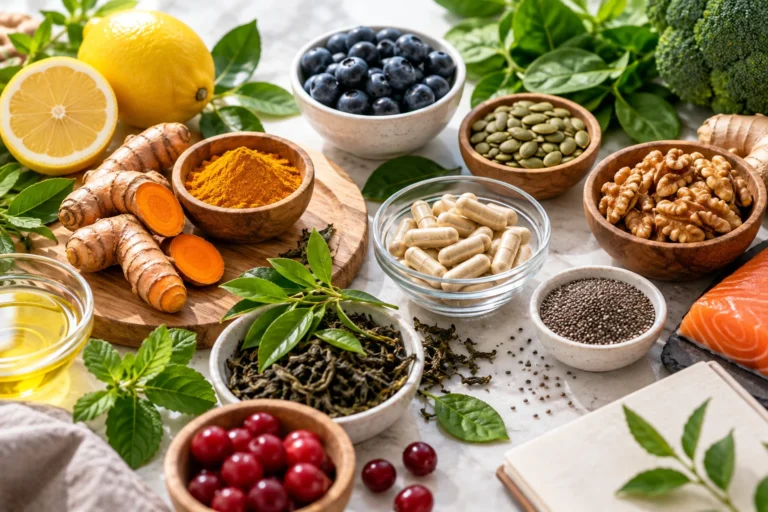
Dietary supplements contain different ingredients, including vitamins, minerals, herbs, plant extracts, amino acids and other compounds. But knowing an ingredient’s name is only the first step. It is also important to understand why manufacturers use it, what scientific research says and what safety concerns may apply.
This Supplement Ingredients Guide explains commonly used supplement ingredients in simple language. You can explore ingredients by health topic, learn about available research and understand what to check before choosing a supplement.
We separate established nutritional roles from possible benefits that still need more research. An ingredient’s presence in a supplement does not prove that the finished product works.
How to Use This Ingredients Guide
Use the directory below to find an ingredient or browse by health topic. Each entry explains:
What the ingredient is.
Why supplement manufacturers include it.
What human research suggests.
Potential side effects and safety concerns.
What to check before buying a product.
This guide is for educational purposes. It does not replace medical advice or treatment.
Quick Ingredient Directory
Weight Management
Caffeine
Green Tea Extract
Garcinia Cambogia
Glucomannan
Chromium
Brain & Memory
Bacopa Monnieri
Ginkgo Biloba
Lion’s Mane
Citicoline
Blood Sugar Health
Berberine
Cinnamon
Alpha-Lipoic Acid
Sleep & Relaxation
Melatonin
Magnesium
L-Theanine
Joint & Bone Health
Glucosamine
Chondroitin
Curcumin
Prostate & Male Wellness
Saw Palmetto
Beta-Sitosterol
L-Arginine
Heart & General Health
Omega-3 Fatty Acids
Coenzyme Q10
Gut Health
Probiotics
Psyllium Husk
Skin, Hair & Nails
Collagen
Biotin
Weight Management Ingredients
Weight-management supplements often combine stimulants, plant extracts, minerals and soluble fibers. Some ingredients have been studied for appetite, digestion, or body weight, but results vary. No ingredient can replace a balanced eating pattern, physical activity and appropriate medical care.
1. Caffeine
What is it?
Caffeine is a natural stimulant found in coffee beans, tea leaves, cacao and some other plants. Supplement manufacturers use it in energy products and weight-management formulas.
Why is it used?
Caffeine stimulates the central nervous system. It can temporarily increase alertness and reduce feelings of tiredness. Researchers have also studied its effects on energy expenditure and exercise performance.
What does research say?
Caffeine may have a modest short-term effect on energy expenditure, but this does not mean that caffeine supplements produce meaningful or lasting weight loss. Tolerance can also develop with regular use.
Safety considerations: Excessive caffeine can cause insomnia, nervousness, a fast heartbeat, anxiety and digestive discomfort. People who are sensitive to stimulants or have certain medical conditions should discuss its use with a healthcare professional.
Research and further reading: NIH – Weight Loss Dietary Supplements
2. Green Tea Extract
What is it?
Green tea extract comes from the leaves of Camellia sinensis. It contains plant compounds called catechins, including EGCG. Some extracts also contain caffeine.
Why is it used?
Manufacturers include green tea extract in weight-management and antioxidant supplements.
What does research say?
Research on green tea preparations and weight management shows mixed results. Any weight-related effect appears limited, and findings from ordinary green tea cannot automatically be applied to concentrated extracts.
Safety considerations: Concentrated green tea extracts have been linked to liver injury in some people. Taking them on an empty stomach may increase risk. Check the amount of EGCG and caffeine listed on the label.
Research and further reading: NCCIH – Green Tea
3. Garcinia Cambogia
What is it?
Garcinia cambogia is a tropical fruit. Its rind contains hydroxycitric acid (HCA), which supplement manufacturers often promote for appetite and weight management.
Why is it used?
It is commonly included in formulas marketed for appetite control and weight loss.
What does research say?
Human studies have not established a reliable, meaningful weight-loss benefit. Results are mixed, and the evidence does not support treating it as a proven fat-loss ingredient.
Safety considerations: Reported concerns include digestive problems and possible liver injury. People taking medication or living with liver problems should speak with a healthcare professional before considering products containing this extract.
Research and further reading: NIH – Weight Loss Dietary Supplements
4. Glucomannan
What is it?
Glucomannan is a soluble dietary fiber obtained from the konjac plant. It absorbs water and forms a thick substance in the digestive tract.
Why is it used?
Supplement makers use it in fiber products and weight-management formulas because it can increase the feeling of fullness.
What does research say?
Research on glucomannan and weight loss has produced mixed findings. It may help increase fiber intake, but it should not be presented as a guaranteed way to lose weight.
Safety considerations: It can cause bloating, gas, diarrhea or constipation. Taking it without enough water may create a choking or blockage risk. Follow product instructions and ask a healthcare professional whether it is appropriate for you.
Research and further reading: NIH – Weight Loss Dietary Supplements
5. Chromium
What is it?
Chromium is an essential trace mineral involved in normal nutrient metabolism. It is found in foods such as meat, whole grains, some vegetables, and nuts.
Why is it used?
Some supplements include chromium because it is thought to support carbohydrate and fat metabolism.
What does research say?
Studies have examined chromium supplements for blood sugar control and body weight. Evidence for meaningful weight loss remains limited, and results are inconsistent.
Safety considerations: Chromium supplements may interact with diabetes medication and can affect blood sugar. People with kidney or liver disease should seek medical advice before using high-dose products.
Research and further reading: NIH – Chromium Fact Sheet
For more information, read our Weight Loss Research Guide.
Brain & Memory Ingredients
Brain-health supplements often contain herbs, plant extracts, and compounds involved in normal cellular processes. Research is still developing, and products marketed for memory or focus should not be treated as proven ways to prevent or reverse cognitive decline.
6. Bacopa Monnieri
What is it?
Bacopa monnieri is a traditional herb used in Ayurvedic preparations. Its extracts contain compounds called bacosides.
Why is it used?
Supplement manufacturers include Bacopa in products marketed for memory, attention and cognitive support.
What does research say?
Some small human studies suggest possible improvements in certain memory or attention measures after regular use. However, studies vary in quality, preparation and duration. More research is needed.
Safety considerations
Bacopa may cause nausea, stomach cramps, diarrhea or fatigue. It may interact with certain medicines, so check with a healthcare professional before use.
Research and further reading: NCCIH – Herbs at a Glance
7. Ginkgo Biloba
What is it?
Ginkgo biloba is a tree whose leaves are used to make herbal extracts.
Why is it used?
It is commonly marketed for memory, concentration and circulation.
What does research say?
Research has not established that ginkgo prevents dementia or reliably improves memory in healthy adults. Findings differ depending on the population and extract studied.
Safety considerations
Ginkgo may increase bleeding risk, particularly when combined with blood-thinning medicines. Raw or unprocessed ginkgo seeds can be toxic.
Research and further reading: NCCIH – Ginkgo
8. Lion’s Mane
What is it?
Lion’s mane is an edible mushroom known scientifically as Hericium erinaceus.
Why is it used?
It appears in supplements marketed for memory, focus and general brain health.
What does research say?
Early laboratory and animal research has explored compounds in lion’s mane and their possible effects on nerve cells. Human evidence remains limited, and it is too early to make strong claims about cognitive benefits.
Safety considerations
Some people may experience digestive discomfort or allergic reactions. People with mushroom allergies should be cautious.
Research and further reading: NCCIH – Herbs at a Glance
9. Citicoline
What is it?
Citicoline, also known as CDP-choline, is a compound involved in the production of phospholipids, which help form cell membranes.
Why is it used?
Supplement makers use it in products marketed for attention, memory and mental performance.
What does research say?
Researchers have studied citicoline in several cognitive and neurological settings. Some findings are encouraging, but the evidence does not establish that it improves memory or concentration for everyone.
Safety considerations
Possible side effects include headache, digestive discomfort and changes in sleep. Discuss it with a healthcare professional if you take medication or have an existing medical condition.
Research and further reading: PubMed – Citicoline Research
Blood Sugar Health Ingredients
Blood sugar supplements often contain minerals and plant compounds. Some have been studied for their effects on glucose metabolism, but supplements are not substitutes for prescribed diabetes treatment, blood glucose monitoring or medical advice.
10. Berberine
What is it?
Berberine is a plant compound found in several herbs, including plants from the Berberis family.
Why is it used?
It is included in supplements marketed for metabolic and blood sugar support.
What does research say?
Some clinical studies suggest that berberine may affect blood glucose measures. However, study quality, product formulations and results vary. It is not a replacement for diabetes medication.
Safety considerations
Berberine can cause constipation, diarrhea, nausea and abdominal discomfort. It can interact with medicines and may affect blood sugar. It is not appropriate during pregnancy or breastfeeding.
Research and further reading: NCCIH – Herbs at a Glance
11. Cinnamon
What is it?
Cinnamon is a spice made from the inner bark of trees belonging to the Cinnamomum genus.
Why is it used?
Some supplement formulas include cinnamon for blood sugar and metabolic support.
What does research say?
Studies have explored cinnamon’s possible effects on blood glucose, but findings are inconsistent. Different species and preparations may produce different results.
Safety considerations
Cassia cinnamon contains coumarin, which can harm the liver when consumed in large amounts over time. Cinnamon supplements may also interact with medication.
Research and further reading: NCCIH – Cinnamon
12. Alpha-Lipoic Acid
What is it?
Alpha-lipoic acid (ALA) is a compound involved in energy metabolism. The body produces small amounts, and it is also available as a supplement.
Why is it used?
It is marketed for antioxidant support, metabolic health and nerve health.
What does research say?
Researchers have studied ALA for several health conditions, including diabetic nerve symptoms. Evidence varies by condition, and it should not be assumed to improve blood sugar control or reverse nerve damage.
Safety considerations
ALA may lower blood sugar and interact with diabetes medication. It can also cause nausea, skin rash or other side effects.
Research and further reading: PubMed – Alpha-Lipoic Acid Research
Sleep & Relaxation Ingredients
Sleep supplements can contain hormones, minerals and plant-based compounds. Their effects depend on the ingredient, dose, timing and reason for sleep difficulty.
13. Melatonin
What is it?
Melatonin is a hormone produced naturally by the brain in response to darkness. It helps regulate the body’s sleep-wake timing.
Why is it used?
Melatonin supplements are commonly used for jet lag and certain sleep-timing problems.
What does research say?
Evidence suggests melatonin can help with some circadian rhythm sleep problems. It is not a universal solution for insomnia, and research results vary depending on the condition.
Safety considerations
Possible effects include daytime sleepiness, headache, dizziness and nausea. Melatonin can interact with medicines. Ask a healthcare professional before giving it to children or using it during pregnancy.
Research and further reading: NCCIH – Melatonin: What You Need to Know
14. Magnesium
What is it?
Magnesium is an essential mineral involved in muscle function, nerve signaling, energy production and many other body processes.
Why is it used?
It appears in supplements marketed for sleep, muscle function, relaxation and general nutritional support.
What does research say?
Magnesium is important for normal body function. However, evidence that magnesium supplements improve sleep in people who are not deficient remains limited.
Safety considerations
High supplemental amounts can cause diarrhea, nausea, and abdominal cramping. People with kidney disease need medical guidance because their bodies may not remove excess magnesium effectively.
Research and further reading: NIH – Magnesium Fact Sheet
15. L-Theanine
What is it?
L-theanine is an amino acid naturally found in tea leaves.
Why is it used?
Manufacturers include it in products marketed for relaxation, focus and sleep support.
What does research say?
Small studies have examined L-theanine for stress and sleep quality. The results are preliminary, and more high-quality human research is needed.
Safety considerations
Research on long-term supplement use is limited. Discuss use with a healthcare professional if you take medication, are pregnant or have a health condition.
Research and further reading: PubMed – L-Theanine Research
Joint & Bone Health Ingredients
Joint and bone supplements may contain structural compounds, minerals and plant extracts. These ingredients do not all work in the same way, and evidence for joint symptoms should not be confused with evidence for rebuilding cartilage or treating arthritis.
16. Glucosamine
What is it?
Glucosamine is a compound found naturally in cartilage. Supplements are often made from shellfish sources or produced synthetically.
Why is it used?
It is commonly included in joint-support products, particularly those marketed for osteoarthritis.
What does research say?
Studies have produced mixed results. Some research reports modest symptom improvements in certain groups, while other studies find little or no meaningful benefit.
Safety considerations
Glucosamine may cause digestive discomfort. Some products are made from shellfish, which matters for people with allergies. It may also interact with warfarin.
Research and further reading: NCCIH – Glucosamine and Chondroitin
17. Chondroitin
What is it?
Chondroitin is a substance naturally found in cartilage. Supplement versions are commonly sourced from animal tissues.
Why is it used?
It is often combined with glucosamine in joint-health formulas.
What does research say?
Clinical findings are mixed. Some studies suggest possible improvements in osteoarthritis symptoms, but the overall evidence is not consistent.
Safety considerations
It may cause mild digestive symptoms and could interact with blood-thinning medication. Discuss use with a healthcare professional if you take anticoagulants.
Research and further reading: NCCIH – Glucosamine and Chondroitin
18. Curcumin
What is it?
Curcumin is one of the main active compounds found in turmeric, a yellow spice used in cooking.
Why is it used?
Supplement manufacturers include concentrated curcumin extracts in products marketed for joint comfort and antioxidant support.
What does research say?
Some clinical studies suggest that certain turmeric or curcumin preparations may help with osteoarthritis symptoms. However, formulations differ, and the evidence does not prove that every turmeric supplement produces the same effect.
Safety considerations
Concentrated extracts can cause digestive problems and may interact with medicines. Some highly bioavailable formulations have been linked to liver injury.
Research and further reading: NCCIH – Turmeric
Prostate & Male Wellness Ingredients
Products marketed for prostate and male wellness often combine botanical extracts and amino acids. The evidence varies widely. A supplement should never replace an evaluation for urinary symptoms, erectile dysfunction, or other health concerns.
19. Saw Palmetto
What is it?
Saw palmetto is a small palm plant. Its berries are used to make herbal extracts.
Why is it used?
It is commonly included in supplements marketed for prostate and urinary health.
What does research say?
Research on saw palmetto for urinary symptoms associated with an enlarged prostate has generally found little or no meaningful benefit when used alone. Results can differ across extracts and study designs.
Safety considerations
Possible side effects include stomach discomfort, headache, and dizziness. It may interact with medication, and people with persistent urinary symptoms should seek medical assessment.
Research and further reading: NCCIH – Saw Palmetto
20. Beta-Sitosterol
What is it?
Beta-sitosterol is a plant sterol found in foods such as nuts, seeds and vegetable oils.
Why is it used?
Some prostate supplements include it for urinary symptom support.
What does research say?
Some studies suggest that beta-sitosterol may improve certain urinary symptoms in men with an enlarged prostate. However, it does not shrink the prostate, and long-term evidence remains limited.
Safety considerations
It may cause digestive discomfort. People with rare disorders affecting plant sterol metabolism should avoid it unless a specialist advises otherwise.
Research and further reading: PubMed – Beta-Sitosterol Research
21. L-Arginine
What is it?
L-arginine is an amino acid that the body uses to produce nitric oxide, a molecule involved in blood vessel function.
Why is it used?
It is included in some products marketed for circulation and male sexual wellness.
What does research say?
Researchers have studied L-arginine for blood flow and erectile function. Findings are mixed, and it is not a proven treatment for erectile dysfunction.
Safety considerations
L-arginine can lower blood pressure and interact with blood pressure medication, nitrates and certain erectile dysfunction drugs. Anyone experiencing ongoing erectile difficulties should speak with a healthcare professional.
Research and further reading: PubMed – L-Arginine Research
Heart & General Health Ingredients
22. Omega-3 Fatty Acids
What are they?
Omega-3 fatty acids are essential fats. The main types include ALA, EPA and DHA. Fatty fish provide EPA and DHA, while flaxseed and walnuts provide ALA.
Why are they used?
Fish oil supplements commonly contain EPA and DHA. They are marketed for heart, brain and general health.
What does research say?
Omega-3 fats have established nutritional roles. Prescription omega-3 medicines can lower very high triglyceride levels, but ordinary over-the-counter fish oil supplements should not be treated as equivalent to prescription products.
Safety considerations
High doses may increase bleeding risk or cause digestive symptoms. Some research has also raised concerns about atrial fibrillation risk with high-dose omega-3 supplementation in certain groups.
Research and further reading: NIH – Omega-3 Fatty Acids Fact Sheet
23. Coenzyme Q10
What is it?
Coenzyme Q10 (CoQ10) is a compound produced naturally by the body. It helps cells produce energy and also acts as an antioxidant.
Why is it used?
It appears in supplements marketed for energy, heart health and general wellness.
What does research say?
Researchers have studied CoQ10 in several cardiovascular and other health settings. Findings differ by condition, and there is no basis for assuming that it prevents heart disease or improves energy in everyone.
Safety considerations
CoQ10 may cause digestive upset or insomnia. It can interact with warfarin and some other medicines.
Research and further reading: NCCIH – Coenzyme Q10
Gut Health Ingredients
24. Probiotics
What are they?
Probiotics are live microorganisms that may provide health benefits when taken in adequate amounts.
Why are they used?
They are included in supplements and foods marketed for digestive and gut health.
What does research say?
Probiotic effects depend on the specific strain, amount and health condition. Evidence for one strain cannot automatically be applied to another product.
Safety considerations
Some people experience gas or bloating. People with severe illness or weakened immune systems should seek medical advice before using probiotic supplements.
Research and further reading: NIH – Probiotics Fact Sheet
25. Psyllium Husk
What is it?
Psyllium is a soluble fiber obtained from the husks of Plantago ovata seeds.
Why is it used?
It is used in fiber supplements to support bowel regularity and help increase daily fiber intake.
What does research say?
Psyllium can help relieve constipation and may help lower LDL cholesterol when used as part of an appropriate diet. It can also affect how quickly the body absorbs some medicines.
Safety considerations
Take psyllium with plenty of water. It may cause bloating or gas. People with swallowing difficulties or bowel obstruction should not use it without medical advice.
Research and further reading: MedlinePlus – Psyllium
Skin, Hair & Nail Ingredients
26. Collagen
What is it?
Collagen is a structural protein found in skin, bones, tendons, and connective tissues. Supplement products often contain hydrolyzed collagen peptides.
Why is it used?
It is marketed for skin appearance, joint health, hair and nail support.
What does research say?
Some small clinical studies suggest possible improvements in skin hydration or elasticity after collagen supplementation. However, studies vary in quality and funding, and results should not be generalized to every collagen product.
Safety considerations
Check the source, as collagen may come from fish, bovine or other animal materials. People with relevant allergies should check labels carefully. Digestive discomfort can occur.
Research and further reading: PubMed – Collagen Supplement Research
27. Biotin
What is it?
Biotin, also called vitamin B7, is a water-soluble B vitamin involved in normal metabolism.
Why is it used?
It is commonly included in hair, skin and nail supplements.
What does research say?
Biotin deficiency can cause hair thinning and brittle nails, but deficiency is uncommon. There is limited evidence that extra biotin improves hair or nail growth in people who already get enough.
Safety considerations
High-dose biotin can interfere with certain laboratory tests, including some thyroid and heart-related tests. Tell your healthcare provider and laboratory if you take biotin.
Research and further reading: NIH – Biotin Fact Sheet
How to Evaluate a Supplement Ingredient
Understanding an ingredient is only part of choosing a product. The formula, amount, extract type, quality controls, and possible interactions also matter.
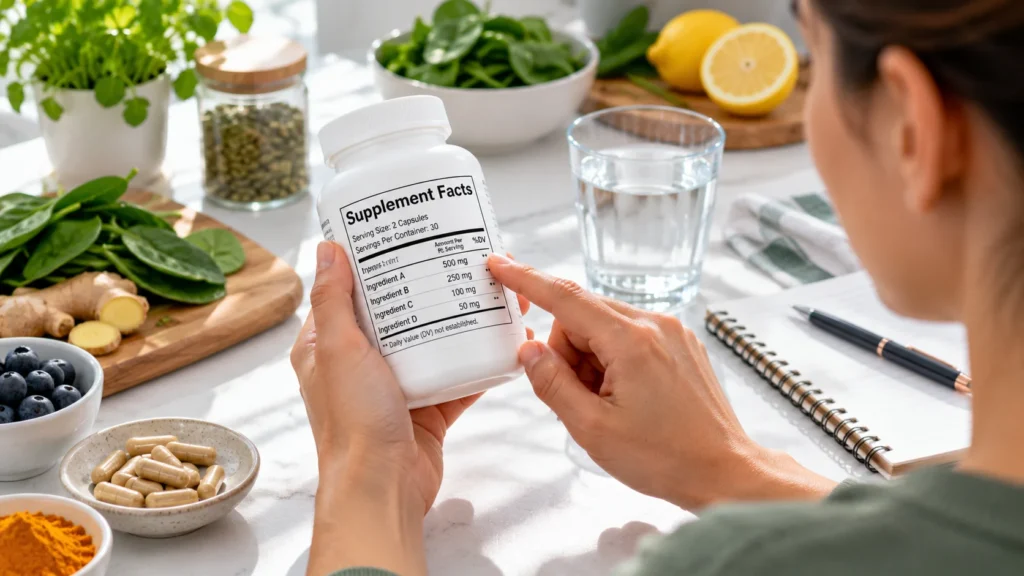
1. Read the Full Supplement Facts Label
Look for the amount of each ingredient per serving. Check the serving size and the number of servings per container. A product that lists an ingredient without showing its amount may be difficult to evaluate.
2. Check the Ingredient Form
The same ingredient may appear in different forms. For example, magnesium supplements can contain magnesium citrate, oxide, glycinate and other forms. Plant extracts can also vary in concentration and standardization.Do not assume that different forms have identical evidence or effects.
3. Be Careful With Proprietary Blends
A proprietary blend may list several ingredients under one combined amount. This can make it difficult to know how much of each ingredient the product contains.A transparent label makes comparison easier.
4. Look for Independent Quality Testing
Organizations such as USP and NSF offer programs that test certain supplements for quality. A verification mark can provide useful information about product contents and manufacturing quality, but it does not prove that a supplement is effective or suitable for everyone.
5. Check for Medication Interactions
Some ingredients can affect blood pressure, blood sugar, blood clotting or the way medicines work. Ask a doctor or pharmacist to review a supplement if you take prescription medication or have a medical condition.
6. Be Cautious With Extreme Claims
Be skeptical of products promising instant results, guaranteed weight loss, permanent cures or prescription-like effects without medical supervision.The FDA has warned about supplements containing hidden drug ingredients, particularly in weight-loss and sexual-enhancement products.
Further reading: FDA – Tainted Products Marketed as Dietary Supplements
Frequently Asked Questions
Are natural supplement ingredients always safe?
No. Natural ingredients can still cause side effects, interact with medicines or be unsuitable for certain people. Safety depends on the ingredient, preparation, amount and individual health circumstances.
Do supplement ingredients work the same for everyone?
No. Results can vary because of age, diet, health conditions, medications, genetics and the specific supplement formulation.
Is a higher ingredient amount always better?
No. Higher amounts can increase the risk of side effects or interactions. More is not necessarily more effective.
Are herbal extracts the same as whole herbs?
No. Extracts can contain different concentrations of active compounds. The extraction method and plant part used can also affect the final product.
Can I combine several supplements?
Combining supplements may increase the chance of overlapping ingredients, excessive intake or medication interactions. Review the full ingredient lists with a healthcare professional before combining products.
Where can I check reliable supplement information?
Useful starting points include the NIH Office of Dietary Supplements, the National Center for Complementary and Integrative Health, and the U.S. Food and Drug Administration.
Our Editorial Approach to Ingredient Research
PiperHobby aims to explain supplement ingredients in a clear and balanced way. We do not treat a manufacturer’s marketing claims as proof of effectiveness.
When reviewing an ingredient, we consider:
Human clinical research where available.
The quality and limitations of published studies.
Whether research tested the same form of the ingredient.
Known side effects and medication interactions.
Whether the evidence supports the claim made about the ingredient.
We also distinguish between research on an individual ingredient and research on a finished supplement. A study involving one ingredient does not prove that a product containing it will produce the same result.
Important: This guide is for general educational purposes only. It does not provide medical advice, diagnose conditions or recommend treatment. Speak with a qualified healthcare professional before starting, stopping or combining supplements.
Sources and Further Reading
The following organizations provide reliable information about dietary supplements, ingredients and safety: